




Dry skin can be a lifelong skin type, or it can pop up during certain seasons, stages of life, or even after a week of indoor heating. Genetics can play a role, but so do age, hormones, climate, and everyday habits. At its core, dry skin produces less sebum than other skin types, which means it has a harder time holding onto moisture.

Sun 101
A suncare & beauty destination from the Experts in SPF™
Sun 101
4 Tips to Treat Dry Skin On Your Face


If your face sometimes feels tight after cleansing or gets flaky in certain spots, you’re not alone — and you’re not doing anything wrong. Dry skin just needs a little extra care to stay comfortable.
The good news? With a routine tailored to your skin’s needs (including a hydrating SPF) you can help support your moisture barrier and feel more at ease in your skin. Below, you’ll find four tips to support dry skin.
1. Apply an SPF Moisturizer Daily
If you have dry skin, a good moisturizer is a game-changer. It can help soften skin, support your moisture barrier, and keep hydration from slipping away — all things that feel extra essential when your face is tight or flaky.
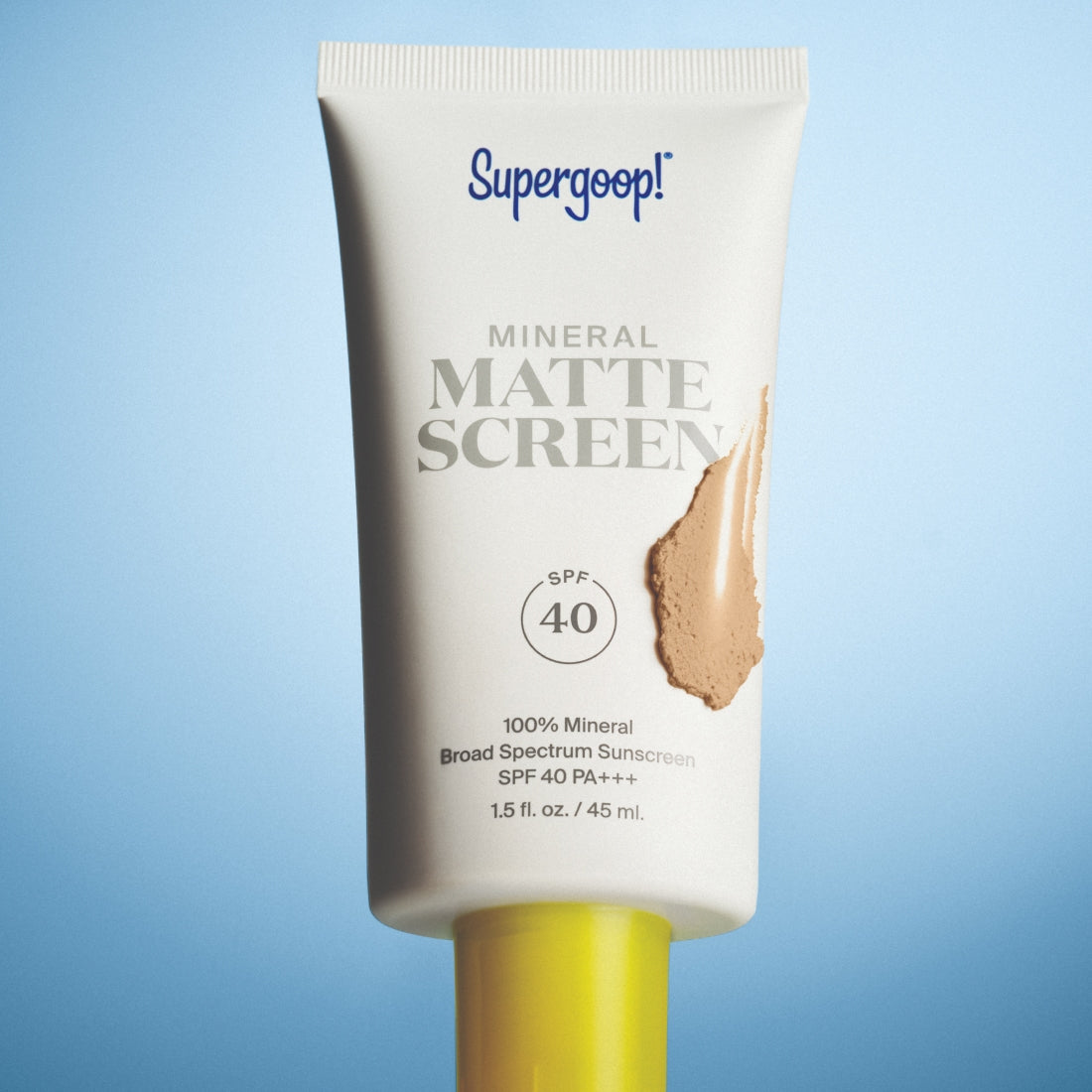
Adding SPF to that step makes it even better. A moisturizer with sunscreen not only hydrates your skin but also helps protect it from the UV rays that can contribute to dryness year-round. Even in colder months, UV exposure can disrupt your moisture barrier and increase trans-epidermal water loss (TEWL), making it harder for your skin to stay hydrated.
An SPF moisturizer brings these benefits together in one easy step, helping your skin feel comfortable while giving you the broad spectrum protection the American Academy of Dermatology recommends.
Here are a few options depending on what your skin needs:
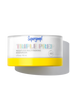
- Triple Prep Weightless Multitasking Moisturizer SPF 40: A soft, bouncy moisturizer that feels weightless on skin — ideal if your skin is normally normal-to-oily but gets drier in certain seasons. It’s made with a hydrating complex of ectoin, hyaluronic acid, and glycerin to help support and replenish your moisture barrier.
- Superscreen Hydrating Daily Cream SPF 40: Our richer SPF moisturizer for dry skin types. It gives your skin the rich hydration it needs, and features a ceramide known to help support a weakened moisture barrier.
- You can also layer your SPF moisturizer with other hydrating Supergoop! formulas:
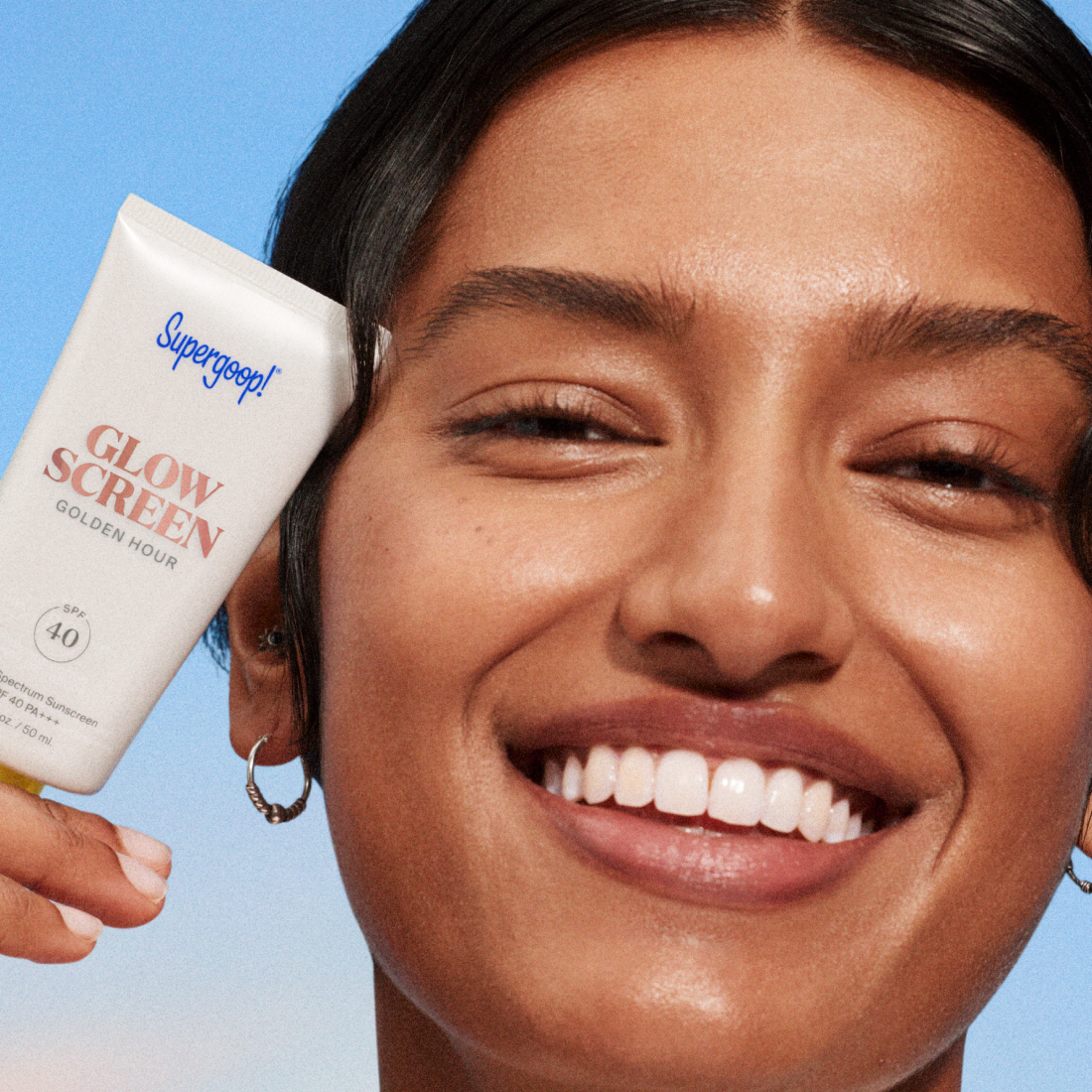
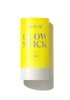
- Glowscreen SPF 40: A glowy SPF primer that’s clinically tested to boost hydration by 78% after 8 hours*
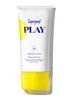
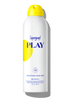
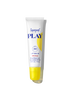
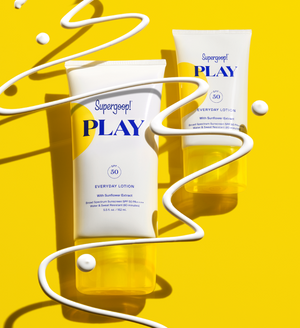
- PLAY Everyday Face Lotion SPF 50: A water- and sweat-resistant SPF that delivers hydration for busy, active days. It provides 24-hour hydration and is clinically tested to boost moisture by 74%**.
2. Use a Gentle Face Cleanser
Dry skin benefits from a cleanser that cleans without stripping. The Mayo Clinic recommends using a gentle, alcohol-free, non-foaming cleanser twice daily and after sweating. And if your skin is also sensitive, the Mayo Clinic notes you may only need a cleanser at night — a splash of water in the morning can be enough.
3. Be Gentle to Your Face
Dry skin appreciates a lighter touch. Pat (don’t rub) your skin dry, and avoid over-exfoliating. When you see dry, flaky skin, exfoliating might feel like the quickest fix. But the Cleveland Clinic notes that exfoliating too often (or with harsh products) can leave dry skin feeling even more irritated.
4. Use a Humidifier
Dry skin loves moisture in the air. The AAD notes that using a humidifier, especially in your bedroom, can help boost humidity levels and support dry skin overnight. Many heating systems have built-in humidifiers, but portable ones work well too — just be sure to clean them regularly.
When Dry Skin Happens, Small Habits Make a Big Difference
Dry skin can come and go, or it can be your everyday skin type. Either way, the right habits make all the difference. A few simple practices like using a hydrating SPF, choosing gentler cleansing routines, and adding moisture to the air can help your skin feel more comfortable day to day.
*Based on an independent clinical study with 33 participants after 8 hours
** Based on an independent clinical study with 33 participants after 8 hours